


Prescription Glasses Frames: Which Styles and Sizes Suit You
Last Updated: 2 November 2026
Choosing prescription glasses frames online is simpler once you know what to measure.
Frame dimensions decide how it wears: lens width, nose bridge width, front width and temple length all matter. Our Tara frames, for example, have a 54mm lens width, a 19mm nose bridge and 142mm temples. Compare those figures with a pair you already own that fits well.
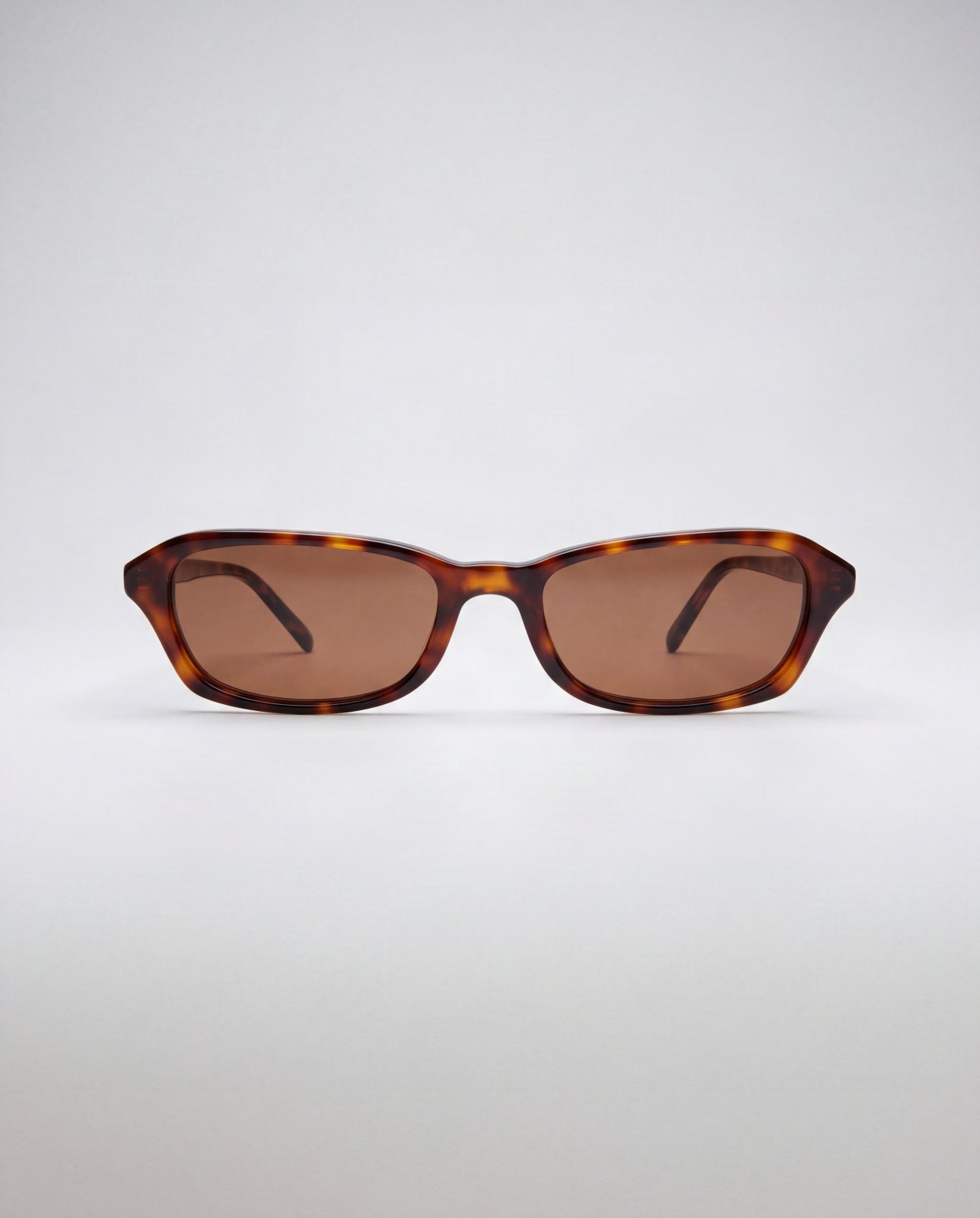
7 Benefits of Tortoiseshell Sunglasses for Everyday Wear
Our Tara | Optical | Black frame in black acetate is versatile for office wear, while the Tara | Optical | Tort suits warmer tones. For a bolder look, see our 7 reasons to choose a tortoiseshell frame for everyday wear guide.


Our Shubh frame is a square, oversized option at a 50mm lens width and 150mm front width. Check the measurements before you order.
Choosing Frames for High Prescription Lenses and Lens Options
Strong prescriptions change which frames work well. The key variables are your prescription power, the lens material and index, and the frame's lens width and depth. Higher-powered lenses are thicker at the edges (minus) or centre (plus), so a smaller lens shape removes more of the thickest part.
Lens index is a matter for your optometrist, who can advise on the right lens thickness for your prescription. For plus prescriptions, a smaller eye size and well-centred pupil position matter more than overall width. Your optometrist's advice takes precedence.
Anti-reflection coating improves clarity and reduces glare at night, and is standard on our Tara frames alongside anti-blue-light treatment. To compare lens options, see how polarised lenses reduce glare and reflections from surfaces.
Confirm your lens requirements with your optometrist before you order.

7 Benefits of Tortoiseshell Sunglasses for Everyday Wear
The table below sets out the key variables to weigh when choosing frames for a strong prescription.
Factor |
Why it matters |
Who advises |
|---|---|---|
Prescription power |
Sets how thick lenses will be |
Your optometrist |
Lens material and index |
Affects lens thickness |
Your optometrist |
Lens width and depth |
Smaller lens shape removes thickest edge |
Frame choice |
Minus prescription |
Thicker at the edges |
Your optometrist |
Plus prescription |
Thicker at the centre |
Your optometrist |
Anti-reflection coating |
Improves clarity and reduces night glare |
Standard on Tara frames |
Booking Your ENKA Home Try-On and Choosing Your Frames
Before you buy, you can use ENKA's home try-on service to see how frames sit in your own light and clothes. Check whether the bridge sits comfortably without pinching, whether the temples press evenly behind your ears, and whether the front width matches your face.
Start with a pair you already own that fits well. The three numbers inside the temple arm, usually 54-19-142, are lens width, bridge width and temple length in millimetres. Our Tara frames are 54mm lens width, 19mm bridge and 142mm temples; the Shubh frame is 50mm lens width with a 150mm front width. A 1mm difference is usually unnoticeable; 3-4mm or more will change how the frame sits.
A bridge too wide lets the frame slide down the nose; too narrow leaves pressure marks. If you have a low or flat nose bridge, look for adjustable nose pads rather than a fixed acetate bridge. A narrow face suits a smaller front width and shorter temples; a wide face suits a 150mm front width such as the Shubh's.
Temples too short pull the frame forward and press behind the ears; too long and the frame slips. Match your current pair's temple length rather than guessing. Your eyes should sit roughly in the upper half of the lens, where the optical centre is designed to sit.
ENKA's home try-on service is available soon, with covered return postage as listed on our site. If you would rather try frames in person, you can find a nearby stockist to see them first. Keep the packaging and try the frame with the clothes you wear most often.
Watch out: a home try-on shows how a frame looks, not how a prescription lens will feel, so if your prescription is strong, confirm the lens index and frame size combination with your optometrist before you finalise the order.
Frequently Asked Questions
How do I choose prescription glasses frames online?
Start with the frame measurements, not just the style. Check the lens width, nose bridge width and temple length against a pair of glasses you already wear comfortably. Compare these figures with the sizing listed for each frame. Then consider your face shape and daily use. ENKA's Tara and Shubh frames list full sizing in millimetres, so you can compare them directly with your current pair before ordering.
How can I find my glasses frame size?
Most frames print three numbers on the inside of the temple, such as 54-19-142. These stand for lens width, bridge width and temple length in millimetres. Measure a pair that fits well and note the figures. For example; ENKA's Tara frames have a 54mm lens width, 19mm nose bridge width and 142mm temple length, while the Shubh frame measures 50mm, 21mm and 145mm. Matching these numbers is the most reliable way to judge fit online, however the lens style, whether the frame has pads on arms or a fixed acetate pad will also impact the fit.
Can any frame be fitted with prescription lenses?
All of our frames can take prescription lenses, but the lens thickness and the lens size both matter. Strong prescriptions need a frame with a suitable lens size and a surround that will hold thicker lenses securely. ENKA's Tara frames come with anti-reflection and anti-blue light lens options as standard (non prescription) so check that the lens choice suits your prescription before you order.
